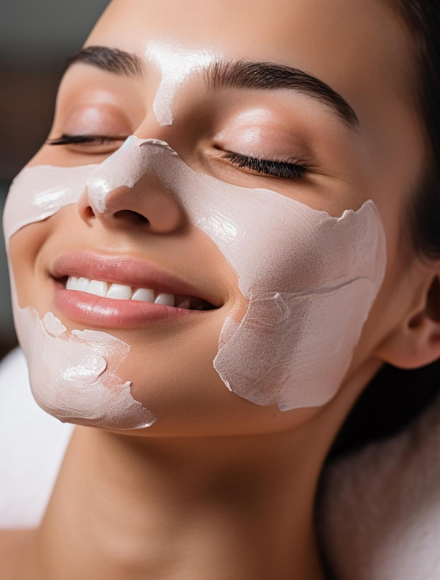
Chemical peels are experiencing a significant resurgence due to their convenience and minimal downtime, making them ideal for a quick lunchtime session. These treatments are widely available at medical clinics specializing in beauty enhancements, such as Sovereign Skin. Operating by inducing deep exfoliation of the skin, chemical peels facilitate the controlled shedding of damaged layers, unveiling a smoother, clearer, and more youthful complexion.
Chemical peels effectively address a range of concerns including pigmentation irregularities, acne-prone skin, and other skin imperfections. By targeting specific issues, they help to rejuvenate the skin’s appearance, providing a refreshed and revitalized look.
Preparation for Chemical Peeling
Before undergoing a chemical peel treatment, it is essential to prepare the skin adequately. This involves thoroughly cleansing the skin to remove any dirt, oil, or makeup. For optimal results, patients are encouraged to maintain a consistent and effective skincare routine leading up to their appointment.
Additionally, it’s advised to refrain from using any exfoliants, such as tretinoin or other skin irritants, for a few days before the chemical peel session. This precaution helps to ensure that the skin is in its best condition and minimizes the risk of adverse reactions during the treatment.
Unveiling Radiant Beauty
Discover the rejuvenating effects of Chemical Peels, a procedure that delicately applies a specialized solution to gently exfoliate the outermost layers of the skin. Unveil smoother, more radiant skin as the refreshed surface emerges. For optimal results, a series of sessions may be advised, especially for light to medium peels, to attain your desired aesthetic goals.
What Patient Can Expect?
After undergoing a chemical peel treatment, patients should anticipate experiencing mild to moderate redness in the treated area. The extent of redness can vary depending on factors such as the depth and strength of the peel. Typically, within 3 to 5 days post-treatment, individuals may notice peeling and slight crusting as the outermost layers of the skin begin to shed.
Over the subsequent 2 to 4 weeks, the skin will undergo a natural healing process, gradually repairing and rejuvenating itself. During this critical healing period, it is imperative to prioritize skin protection by applying sunscreen daily. Sunscreen helps to shield the delicate, newly revealed skin from harmful UV rays, preventing potential damage and promoting optimal healing outcomes.
At N6 Aesthetic Club, we understand the importance of post-treatment care in ensuring the best results for our patients. As part of our comprehensive approach to patient care, we provide personalized post-care kits that typically include sunscreen, along with other essential skincare products tailored to individual needs. By following these guidelines and utilizing the recommended skincare regimen, patients can support their skin’s recovery process and achieve the desired outcome from their chemical peel treatment.
Types of Peels
We Provide Three Types of Peels
Light Chemical Peel
A superficial chemical peel gently removes the outer skin layer (epidermis), targeting fine wrinkles, acne, uneven tone, and dryness. Typically, a light peel is recommended every two to five weeks.
Medium Chemical Peel
A medium chemical peel removes skin cells from both the epidermis and portions of the upper dermis to address wrinkles, acne scars, and uneven skin tone. Additional sessions may be necessary for achieving and sustaining your desired outcome.
Deep Chemical Peel
A deep chemical peel targets skin cells at a deeper level, recommended by your doctor for severe wrinkles, scars, or precancerous areas. Unlike other peels, it typically offers the full effect without requiring repeat procedures.
Is Chemical Peeling Cause Side Effects?
Is Chemical Peel Cause Redness Or Scabbing Etc?
A chemical peel, expect redness as part of the healing process. With medium or deep peels, this redness might persist for a few months.
Is Chemical Peel Causes Scarring?
In rare cases, a chemical peel may lead to scarring, often on the lower face. Antibiotics and steroid medications can help reduce the visibility of these scars.
Is It Causes Infection?
A chemical peel may increase the risk of bacterial, fungal, or viral infections, like a flare-up of the herpes virus responsible for cold sores.